
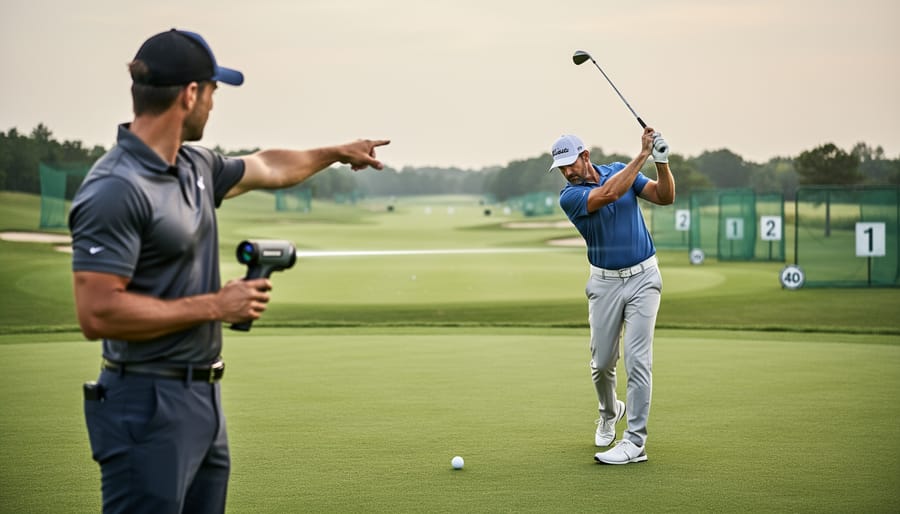
Finding the right golf instructor transforms your game faster than any equipment upgrade or practice routine alone. Professional golf lessons offer personalized coaching tailored to your swing mechanics, skill level, and specific goals, whether you’re picking up a club for the first time or working to shave strokes off your handicap. The key is matching your needs with the right instructor and lesson format.
Most players waste time and money on generic group sessions that don’t address their individual challenges, or they invest in expensive private instruction before they’re ready to absorb technical details. The sweet spot lies in understanding which lesson type delivers the best value at your current stage of development. A beginner struggling with basic contact needs different guidance than an intermediate player fighting a persistent slice.
Quality instruction costs between $50 and $200 per hour depending on the professional’s credentials, location, and lesson format. Group clinics offer the most budget-friendly entry point, while private sessions provide intensive, customized feedback. Playing lessons on the course bridge the gap between range practice and real-world performance.
Beyond technical improvement, the right lessons connect you with a supportive golf community. Many players find that group instruction introduces them to regular playing partners and builds lasting friendships around shared progress. Families especially benefit from clinics designed to teach multiple generations together, creating recreational opportunities everyone enjoys.
This guide walks you through selecting an instructor who fits your learning style, comparing lesson formats for different budgets and goals, and avoiding the common mistakes that slow your progress. You’ll know exactly what to look for before booking your first session.
What Makes Professional Golf Lessons Worth the Investment
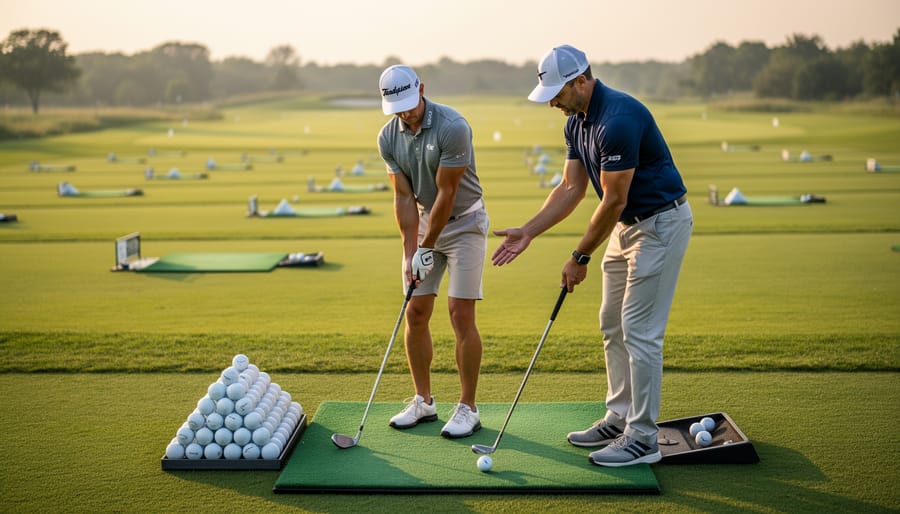
Professional golf lessons deliver measurable benefits that casual practice or friendly advice simply can’t match. When you work with a certified instructor, you’re getting eyes on your swing that can identify issues you’d never spot yourself, subtle grip problems, alignment errors, or sequencing flaws that create lasting bad habits. Research consistently shows that sport coaching improves athlete development across all skill levels, and golf is no exception. A qualified professional brings structured progression, proven teaching methods, and immediate feedback that cuts your learning curve dramatically.
The real value extends beyond just fixing your slice or adding distance. Professional instruction gives you a foundation built on proper fundamentals from day one, which means you’re not spending years reinforcing mistakes you’ll later need to unlearn. Your instructor creates a personalized development plan based on your current abilities, physical limitations, and specific goals, whether that’s breaking 90, feeling confident at business outings, or simply enjoying family rounds without embarrassment.
Beyond technique, lessons at welcoming facilities create community connections that keep you engaged with the game. You’ll meet other players at your level, build relationships through group clinics or practice sessions, and become part of a supportive environment where improvement feels collaborative rather than isolating. This social dimension matters particularly for families introducing children to golf or professionals who recognize the sport’s networking value. The investment in professional instruction pays dividends not just in lower scores, but in the relationships and confidence you build alongside your improved swing.
Types of Golf Lessons to Consider
Private One-on-One Instruction
Private one-on-one instruction gives you the instructor’s complete attention for the entire session. Your pro can watch every swing, spot subtle flaws in your mechanics, and offer immediate corrections tailored specifically to your body type and natural motion. This personalized approach accelerates learning because you’re not waiting for others or working through generic tips that might not apply to your situation.
The real advantage shows up in the drills your instructor creates. Instead of standard exercises, you get customized practice routines designed around your specific weaknesses. Struggling with slice? Your pro develops a sequence of targeted movements to fix it. Can’t get consistent distance with your irons? You’ll work through grip adjustments and tempo drills built just for you.
Private lessons also create space for honest conversation about your goals. Whether you want to break 90, gain confidence for business outings, or simply enjoy rounds with family without embarrassment, your instructor builds a plan around what matters to you. The focused feedback means faster progress and clearer understanding of what you need to practice between sessions.
Group Lessons and Clinics

Group lessons and clinics offer excellent value for golfers who enjoy learning alongside others. These sessions typically cost 40-60% less per person than private instruction while still providing professional guidance and structured practice.
The social aspect creates a supportive environment where you’ll meet fellow golfers at similar skill levels. Many participants form lasting friendships and practice groups that extend beyond the scheduled clinics. You’ll learn from watching others’ swings and hearing the instructor address common challenges that likely affect your game too.
Cornerstone Golf Club’s group clinics welcome players of all ages and abilities, creating opportunities for families to learn together. Shared experiences on the practice range often lead to deeper connections within the golf community, transforming what could feel like isolated practice into an engaging group activity.
Most clinics focus on specific topics, short game, driving, course strategy, allowing you to target particular weaknesses without committing to a full series of private lessons. The instructor rotates attention among participants, providing individual feedback while the group practices drills together. This format works especially well for beginners who benefit from seeing that everyone struggles with similar fundamentals at first.
Junior and Family Programs
Junior golf programs create a welcoming environment where young players develop proper fundamentals through age-appropriate drills and games that keep lessons engaging. Professional instructors trained in youth education understand how to maintain attention spans while building genuine enthusiasm for the sport. Family packages take this further by allowing parents and children to learn side-by-side, transforming lessons into shared experiences rather than drop-off activities. These programs excel at family bonding while everyone improves their skills together. The best junior and family programs emphasize fun and progression without pressure, establishing positive associations with golf that last for years. Many facilities offer flexible scheduling around school and work commitments, plus beginner-friendly formats where no prior experience is required for any family member.
Playing Lessons on the Course
Playing lessons move instruction from the practice area to the course itself, where you face real shots under actual conditions. Your pro walks the holes with you, offering immediate guidance on club selection, reading greens, managing hazards, and handling sloped lies you’ll never encounter on flat practice mats. This format excels at teaching course management, when to play aggressively versus safely, how wind affects different shots, and why a smart layup often beats a risky hero shot. You’ll also develop better pre-shot routines and mental strategies for handling pressure. Playing lessons typically cost more per hour than range instruction, but they bridge the gap between hitting balls and posting scores, helping you make smarter decisions that lower your handicap faster than technique work alone.
Finding the Right Golf Professional for You
The instructor you choose matters as much as your commitment to improvement. A great golf professional does more than fix your swing, they understand how you learn, adapt their approach to your goals, and create an environment where you feel comfortable asking questions and making mistakes.
Start by verifying credentials. Look for professionals certified by recognized organizations like the PGA of America or CPGA (Canadian Professional Golfers’ Association). These certifications require extensive training in both playing ability and teaching methodology. Many instructors also pursue specialized certifications in areas like club fitting, biomechanics, or junior instruction. While credentials don’t guarantee chemistry, they do indicate a professional who takes teaching seriously and stays current with instruction techniques.
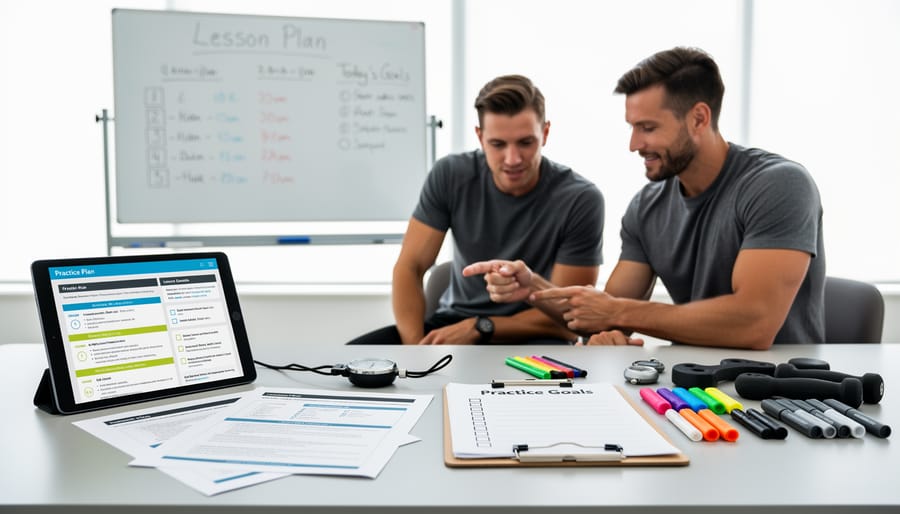
Pay attention to teaching philosophy during your initial conversation or consultation. Some instructors focus heavily on technical positions and video analysis, while others emphasize feel and natural motion. Ask about their approach to building a training program and how they track progress over time. The right fit depends on your learning style, visual learners thrive with video feedback and demonstration, while kinesthetic learners need hands-on adjustments and drills they can feel.
When evaluating potential instructors, consider these essential qualities:
- Clear communication that explains concepts in language you understand, not jargon
- Patience to work at your pace without rushing through fundamentals
- Adaptability to adjust teaching methods when something isn’t clicking
- Positive reinforcement balanced with constructive feedback
- Demonstrated experience with students at your skill level
- Availability that matches your schedule and lesson frequency needs
Don’t underestimate personality fit. You’ll spend focused time with this person, often during frustrating moments when progress feels slow. A professional who makes you feel at ease, celebrates small victories, and maintains enthusiasm helps you stay motivated through plateaus. Many facilities offer introductory sessions or allow you to observe lessons before committing, which gives you a sense of the instructor’s energy and approach.
Finally, ask current students about their experience. Word-of-mouth recommendations from players with similar goals provide honest insight into how an instructor works over the long term, not just during a first impression.
Our Recommendations: Choosing Your Lesson Path
For Complete Beginners
Starting your golf journey with professional instruction sets you up for success and helps you avoid developing bad habits that are difficult to break later. As a complete beginner, look for instructors who specialize in fundamentals and create a pressure-free learning environment where questions are encouraged.
Group beginner clinics offer an ideal entry point. You’ll learn alongside others at your level, which reduces nervousness and often costs less than private lessons. These sessions typically cover grip, stance, posture, and basic swing mechanics through simple drills you can practice at home.
Many facilities, including community-focused clubs, offer beginner packages that combine range instruction with short-course play. This approach builds confidence gradually while connecting you with fellow newcomers who share your learning curve.
For Players Looking to Improve
If you’ve been playing for a while but can’t seem to lower your scores, targeted professional instruction offers the breakthrough you need. Private lessons work best at this stage because a qualified instructor can identify the specific technical flaws holding you back, whether it’s an inconsistent swing path, poor weight transfer, or grip issues you’ve developed over time. Request video analysis during your sessions so you can actually see what you’re doing versus what you think you’re doing.
Schedule lessons every two to three weeks rather than weekly, giving yourself time between sessions to practice the specific drills your instructor assigns. Focus each lesson on one area, maybe your short game one month, then course management the next, instead of trying to fix everything at once. Many intermediate players see the fastest improvement by combining monthly private instruction with occasional playing lessons where they work on shot selection and strategy in real situations.
For Families and Juniors
Family package options transform golf lessons into bonding experiences, with bundled pricing that makes instruction more affordable when parents and kids learn together. Youth programs designed specifically for younger players use age-appropriate drills, shorter sessions, and game-based learning that keeps children engaged while building fundamental skills. These family programs often include weekend clinics and summer camps that fit busy schedules, creating opportunities for multiple generations to share the course. Look for instructors who emphasize fun and positive reinforcement rather than rigid technique for beginners, especially children under 10. The best junior programs create a welcoming environment where kids develop a genuine love for the game alongside technical skills, often leading to lifelong participation and family traditions on the course.
For Networking and Business Golf
If business meetings and client outings on the golf course create anxiety rather than excitement, professional lessons can transform your game into a confidence-building asset. Focus your instruction on reliable, repeatable fundamentals, not flashy shots, since business golf prioritizes consistency over heroics. Work with your instructor on developing a dependable business networking swing that keeps you competitive without requiring weekly practice marathons. Request specific scenarios during lessons: short game recovery when conversation distracts you mid-hole, maintaining composure after a poor drive while entertaining clients, and pace-of-play strategies that respect everyone’s time. Many facilities offer business-focused packages that include tournament preparation and scramble formats popular at corporate events, helping you contribute to your team rather than apologize for your play. The goal isn’t perfection, it’s playing well enough that golf enhances rather than undermines your professional relationships.
Common Mistakes to Avoid When Booking Lessons
Avoiding a few common missteps can dramatically improve your return on investment when you book professional golf lessons. Many players unknowingly sabotage their own progress before they even step onto the practice range.
The biggest mistake is expecting overnight transformation. Golf is a skill that develops through deliberate practice over time, not magic fixes in a single session. If you think one lesson will permanently cure your slice or add thirty yards to your drive, you’re setting yourself up for disappointment. Professional instruction plants the seeds, but consistent practice makes them grow.
Other pitfalls that undermine your learning include:
- Shopping for the cheapest option without considering instructor qualifications or teaching style fit
- Skipping practice between lessons, which forces each session to start from scratch
- Failing to communicate your specific goals, whether that’s lowering your handicap, preparing for golf networking events, or simply enjoying family outings more
- Ignoring your instructor’s advice about equipment needs or necessary adjustments
- Jumping between different teaching philosophies instead of committing to one approach
- Not taking notes or recording key points, making it harder to remember drills and corrections
Price should never be your only consideration. The cheapest lessons might come from instructors with minimal certification or teaching experience, while mid-range options often provide better value through qualified professionals who create structured improvement plans. Similarly, the most expensive instructor isn’t automatically the best match for your learning style or current skill level.
Be honest about your availability and commitment level. Booking a ten-lesson package sounds great, but if your schedule realistically allows only monthly sessions, you’ll get better results from fewer lessons spaced appropriately with dedicated practice time between them. Quality always beats quantity when it comes to professional instruction.
Main Options Compared
When choosing professional golf lessons, you’re primarily deciding between four core formats, each with distinct advantages depending on your goals and learning style.
Private one-on-one instruction offers the most personalized experience. Your instructor tailors every drill to your specific swing issues and provides immediate, focused feedback. This format accelerates improvement but comes at a premium price point, typically ranging from $75 to $200 per hour depending on the instructor’s credentials and location.
Group lessons and clinics provide the best value while adding a social dimension to learning. You’ll pay $25 to $50 per session while benefiting from seeing others work through similar challenges. The community atmosphere reduces intimidation for newcomers and creates accountability through shared goals.
Playing lessons take instruction directly onto the course during actual play. This practical approach teaches course management, strategy, and how to handle real situations you’ll face during rounds. Expect to invest $150 to $300 for a nine-hole playing lesson, but you gain invaluable experience applying techniques where they matter most.
Junior and family programs combine instruction with bonding opportunities, offering package pricing that makes professional guidance accessible for multiple family members learning together.
Frequently Asked Questions About Golf Lessons
Starting golf lessons brings up practical questions, and having clear answers helps you approach your first session with confidence. Here are the most common questions players ask when considering professional instruction.
How much do golf lessons typically cost?
Private lessons generally range from $75 to $150 per hour depending on the instructor’s experience and your location, while group clinics often cost $30 to $50 per person. Many facilities offer package deals that reduce the per-lesson cost and provide better value for committed learners.
How long is a typical golf lesson?
Most lessons run 45 to 60 minutes, which provides enough time for instruction, practice, and feedback without overwhelming you with information. Some instructors offer 30-minute sessions for focused work on specific issues or for younger players with shorter attention spans.
What should I bring to my first lesson?
Bring your own clubs if you have them, comfortable athletic clothing, golf shoes or sneakers, and a water bottle. If you’re new to the game and don’t own clubs yet, most facilities provide loaners for your first few sessions.
How often should I take lessons to see real improvement?
Starting with one lesson every two weeks works well for most players, giving you time to practice what you’ve learned between sessions. As you progress, you might space lessons further apart or schedule them more frequently when working on major swing changes.
During your first lesson, expect your instructor to assess your current abilities, discuss your goals, and identify the most important areas to address. They’ll likely start with fundamental concepts like grip, stance, and alignment rather than trying to rebuild your entire swing at once. The best instructors create a welcoming environment where questions are encouraged and mistakes are viewed as learning opportunities.
Many players wonder about progress timelines. While everyone learns at their own pace, most beginners notice visible improvement in ball contact and consistency within three to five lessons when they practice between sessions. The key is setting realistic expectations and understanding that golf improvement happens gradually through repetition and patience, not overnight transformations.
Investing in professional golf lessons means investing in yourself, not just as a golfer, but as part of a vibrant community that shares your passion for the game. Whether you’re picking up a club for the first time, helping your kids discover golf, or refining skills for business outings, quality instruction accelerates your progress while making the journey more enjoyable.
The right professional doesn’t just teach you mechanics. They build your confidence, help you avoid frustrating bad habits, and connect you with fellow players who become friends and regular playing partners. At welcoming clubs that prioritize inclusivity, lessons become the gateway to weekend tournaments, family events, and networking opportunities that extend far beyond the course.
Don’t let uncertainty or intimidation hold you back. Most pros offer introductory sessions or trial packages, giving you a low-risk way to experience their teaching style. Start with a single lesson or clinic, communicate your goals honestly, and see how quickly the game opens up when you have expert guidance.
The best time to begin was yesterday. The second-best time is today. Pick up the phone, book that first session, and take your place in golf’s welcoming community.